
Types of Footwear for Each Training
Introduction
Choosing appropriate training shoes is crucial for effective workouts. Poor shoe selection can lead to blisters, sluggishness, stress fractures, knee injuries, strain, and tendonitis. The right footwear makes exercise more enjoyable and prevents injury-related complications.
How to Choose Shoes Correctly
Strength and durability – The shoe should support the ankle securely with durable sides and heel. Secure lacing that can be tightened as needed provides optimal support.
Non-slip sole with elasticity – The sole must prevent slipping and accommodate various movements like lunges and running.
Proper size and fit – Have your foot measured at a specialized store or trace its outline. Consider foot conditions like flat feet or bunions; specialized athletic shoes address these issues. Test shoes thoroughly to ensure comfort during all movements.
Investment in Quality Footwear
High-quality training shoes cost more initially but prove cost-effective long-term, avoiding foot problems and frequent replacements due to premature wear.
Shoes to Avoid During Training
Leisure sneakers – Designed for casual walking without proper reinforcement; unsuitable for squats, jumping, or CrossFit movements that stress ankles and knees.
Running shoes – Despite being better than casual sneakers, running shoes feature different sole elasticity and support unsuitable for gym training. They often fit one size larger, which compromises training shoe performance.
Shoe Types by Training Category
Intensive Training (CrossFit, Circuit Training, HIIT) – Requires high support, stability, and flexibility with a slightly elevated heel. Quality CrossFit-specific shoes enhance performance during jumping, running, climbing, and weight-bearing exercises.
Low Intensity Training (Machines, Group Classes) – Needs medium-support, lightweight shoes that feel minimal. Recommendations include Nike SuperRep GO, Nike React Metcon, Under Armor HOVR Rise 2, and Nike Air Max Alpha Savage, providing dynamic training with proper cushioning.
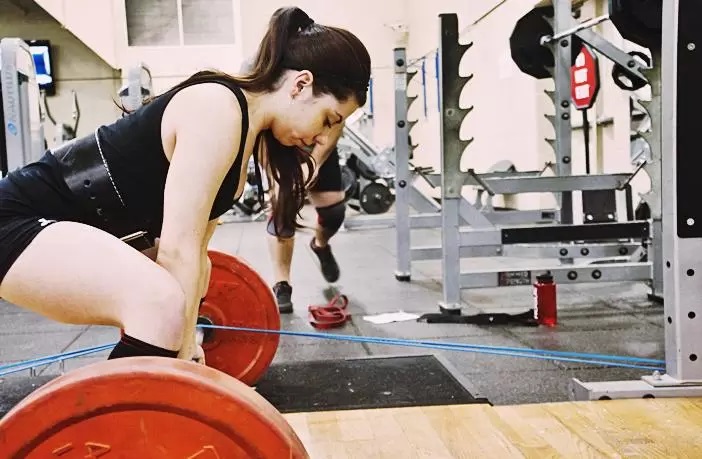
Weightlifting/Powerlifting – Demands highly resistant shoes with raised heels supporting heavy squats and deadlifts, enhancing all strength training movements.
Yoga and Pilates – Benefits from comfortable, spacious footwear with ribbons or without laces, providing maximum freedom and responsive foot movement.