
Eccentric Concentric and Isometric Force
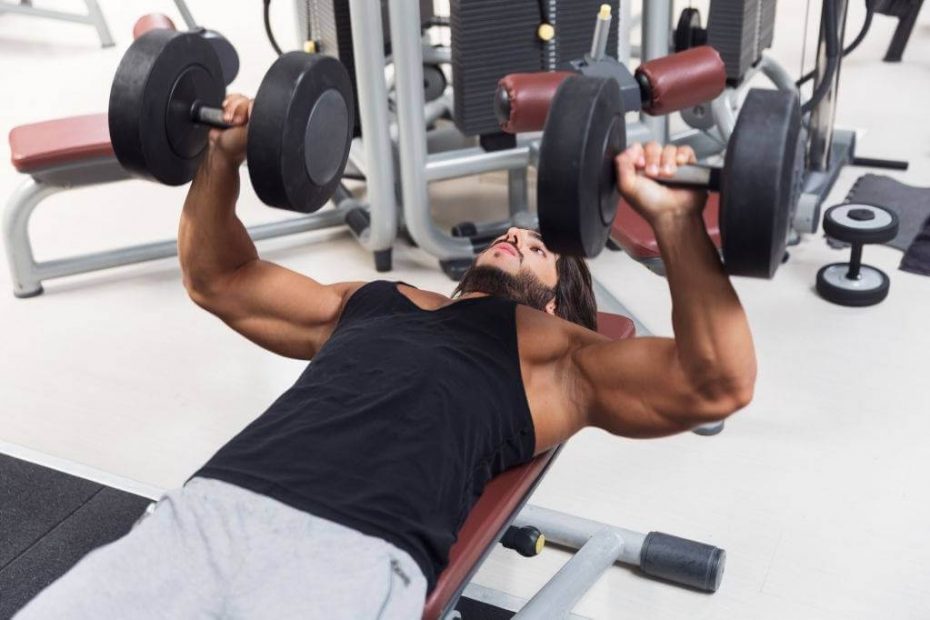
As part of our fitness lexicon, there are 3 terms that are often read in descriptions of strength exercises, and that are essential to know: eccentric, concentric, and isometric.
The three terms describe a certain way of working of the muscles, each of which is responsible for a certain part of the repetition. The synonyms positive-dynamic and negative-dynamic are often used for concentric and eccentric. However, positive and negative should not be understood as good and bad, but as a description of the direction of movement.
In summary, it can already be said at this point that strength can be divided into 3 components of movement in weight training:
- Concentric work: Overcoming resistance
- Eccentric work: Counteracting resistance
- Isometric work: Holding resistance in one position
Definition of Concentric, Eccentric and Isometric
Concentric movement = positive part of the movement = overcoming = muscle shortening = increasing the speed of movement.
Eccentric movement = negative part of the movement = yield = stretching / muscle stretching = slowing down the speed of the movement.
Isometric = static holding work = muscle remains equal in length = no movement.
Example of Concentric and Eccentric Muscle Work
Isometric work is not included in comparative tables because there is no movement. In a chin-up, isometric muscle work occurs when staying in any position. The muscle performs isometric clamping work. Even without movement, different levels of tension develop in the muscle as the exerciser doesn't constantly exert identical force on the immovable object.
Use in Bodybuilding and Weight Training
Training systems now focus on specific movement components. Some muscle-building programs emphasize the eccentric strength component while others focus on concentric strength. Eccentric phase enhancement is used in many intensity programs, and isometric training represents another effective option.
Eccentric Training
In eccentric training, the negative phase of the exercise receives specialized focus. This approach allows significantly higher loads than the positive phase. The "lowering" with heavy weight is performed especially with chin-ups and dips, since these can be trained without a partner.
Advantage of eccentric training: High training weights increase overall training volume significantly. The eccentric phase causes greater muscle trauma, which is decisive for hypertrophy (muscle building).
Eccentric Strength Training in Practice
With dips and pull-ups, weights can increase substantially by adding weight via a weight belt.
Using a standard training bench, one can reach the upper position then train only the eccentric phase (lowering). For bench press variations, training partners assist by helping return weights to the starting position after lowering.
Weight training significantly above normal training weight should be used sparingly by experienced strength athletes with excellent recovery capacity.
The eccentric phase can also be emphasized by consciously altering tempo or cadence. Beginners can implement this by extending the eccentric phase to 5 seconds, for example.
Isometric Training
Isometric training describes a type of training in which you pull on an object or press against something in a static position, but it does not move.
The muscle fiber is neither shortened nor stretched during isometric training, hence the name Iso (equal) Metric (relative to measurement). During isometric training, significant lactate accumulation leads to excessive acidification of the muscles.
Isometric Strength Training in Practice
Isometric pushing exercises involve pushing against stationary objects like walls. Isometric traction exercises involve pulling on immovable ropes.
Holding a chin-up bar at a specific position constitutes an isometric exercise, as does maintaining any squat position.
Pure isometric training is rare in bodybuilding but frequently serves as an intensity technique. Isometry integrates into training through:
- Stopping at specific positions during repetitions and holding for 5-10 seconds or pressing against resistance
- After the final rep, holding weights in position as long as possible or pressing against resistance
- Following regular workouts, performing static holds for 30-60 seconds or pressing against resistance